
Managing social media for a business can look simple from the outside. You create a post, upload it, reply to comments, and check how many people liked it. But once a brand starts posting regularly across Instagram, Facebook, LinkedIn, X, or other platforms, things can quickly become difficult to manage.
You have to plan content, schedule posts, monitor engagement, understand analytics, respond to your audience, and make sure everything goes live at the right time. Doing all of this manually can take a lot of time. This is where social media management platforms become useful.
A good social media management tool brings different parts of your social media workflow together. Instead of constantly switching between multiple apps, you can plan, publish, monitor, and measure your campaigns from one place.
But with so many tools available today, which platforms are actually worth considering?
Let’s explore some of the top platforms for managing social media campaigns and understand what makes each one useful.
1. Hootsuite
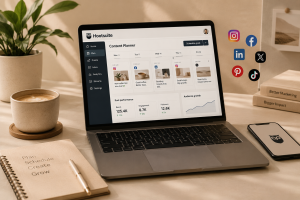
Hootsuite is one of the well-known names in social media management. It is designed for businesses, marketers, agencies, and teams that manage multiple social media accounts.
One of its biggest advantages is that it allows users to manage content from several social networks through a single dashboard. You can schedule posts in advance, monitor conversations, track performance, and organize your social media activities without opening every platform separately.
For businesses that publish content frequently, scheduling can make a major difference. Instead of remembering to post every day, you can prepare content ahead of time and schedule it according to your content calendar.
Hootsuite also provides analytics that can help businesses understand how their content is performing. This makes it useful not only for publishing content but also for evaluating whether a campaign is actually reaching its goals.
2. Buffer
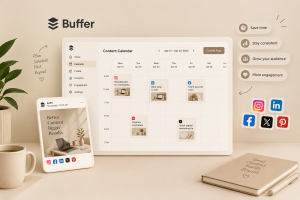
Buffer is popular among small businesses, creators, freelancers, and marketers who want a relatively straightforward way to manage social media content.
Its interface focuses heavily on planning and scheduling. You can prepare posts, arrange them in a publishing queue, and maintain a consistent posting routine.
For someone managing social media without a large marketing team, simplicity can be a major advantage. You don’t necessarily need a complicated system when your main goal is to stay organized and consistent.
Buffer also offers analytics features, allowing users to look at engagement and content performance. These insights can help you identify which types of posts are getting attention and which ones may need improvement.
3. Sprout Social
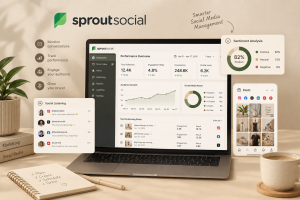
Sprout Social is another comprehensive platform designed for businesses and professional marketing teams.
What makes it different is its focus on more than just scheduling. The platform combines publishing, engagement, analytics, and social listening features.
Social listening can be particularly useful for brands that want to understand what people are saying about them online. Instead of only looking at likes and comments on your own posts, businesses can monitor conversations and trends that are relevant to their brand or industry.
Its reporting features can also be helpful for marketing teams that need to present campaign results. Businesses can use performance data to understand audience engagement, content trends, and overall social media activity.
Because of its broader feature set, Sprout Social can be more suitable for established businesses and teams with more advanced social media requirements.
4. Later
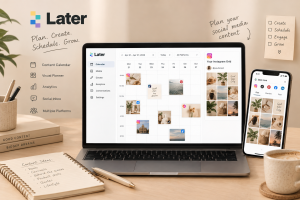
Later is particularly popular among brands and creators who place a strong emphasis on visual content.
Instagram is heavily visual, and planning a feed can sometimes feel like putting together a digital magazine. Later helps users organize and schedule visual content while giving them a better idea of how their posts will appear.
This can be useful for businesses in industries such as fashion, beauty, travel, food, lifestyle, and creative services where the appearance of the content matters almost as much as the message.
Along with scheduling, Later provides analytics and other tools that can help businesses understand content performance.
If your social media strategy depends heavily on images, videos, reels, and a consistent visual identity, a visual-focused management platform can make content planning much easier.
5. SocialPilot
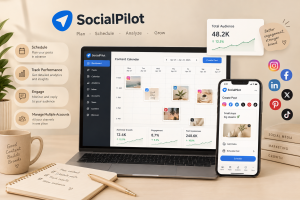
SocialPilot is another platform worth considering, especially for agencies and businesses managing multiple social accounts.
It provides tools for scheduling, publishing, analytics, and collaboration. Agencies can use these features to organize content for different clients without relying entirely on spreadsheets or scattered documents.
One useful aspect of platforms like SocialPilot is the ability to manage a larger volume of content in an organized way. When multiple brands, accounts, or campaigns are involved, having everything structured in one dashboard can save considerable time.
Its reporting capabilities can also help marketers show clients how their social media campaigns are performing.
6. Zoho Social
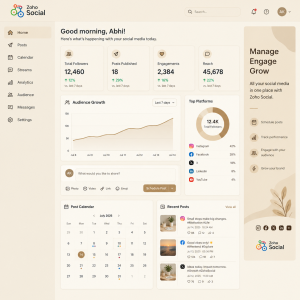
Zoho Social is designed for businesses that want to manage their social media presence while staying connected with other business tools.
It supports scheduling, monitoring, analytics, and collaboration. The platform can be particularly useful for businesses already working within the broader Zoho ecosystem.
The main benefit of a connected business environment is that marketers may not have to work with completely separate systems for every task.
For growing businesses, this type of integration can make everyday marketing processes more organized and easier to manage.
How to Choose the Right Social Media Management Platform
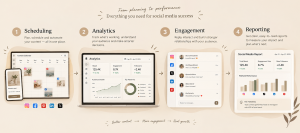
There isn’t one social media management platform that is perfect for every business.
The right choice depends on your goals, the number of accounts you manage, your team size, your budget, and the kind of content you publish.
Before selecting a platform, consider the following factors.
Number of Social Accounts
First, think about how many social media profiles you need to manage. If you are managing only one or two accounts, a simple scheduling tool may be enough.
For agencies or larger businesses managing multiple clients and platforms, you may need a system with stronger organization and collaboration features.
Scheduling Features
Scheduling is one of the main reasons businesses use these platforms.
Look for a tool that allows you to plan content ahead of time and maintain a consistent publishing schedule. A good scheduling system can reduce last-minute work and give your marketing team more time to focus on creating quality content.
Analytics and Reporting
Posting content is only one part of social media marketing. You also need to know whether your content is actually working.
Analytics can help you understand metrics such as reach, engagement, clicks, audience response, and content performance.
Instead of simply asking, “Did people like this post?”, you can start asking more useful questions such as, “Which type of content gets the most engagement?” or “Which campaign brings the most website traffic?”
Collaboration
If several people work on your social media, collaboration becomes important.
Features such as approval workflows, content calendars, team access, and task management can make the process smoother and reduce mistakes before content goes live.
Ease of Use
A platform can have hundreds of features, but that doesn’t automatically make it the right choice.
If the dashboard is confusing or takes too long to understand, your team may spend more time managing the tool than managing the campaign.
Choose a platform that fits the way your team actually works.
Why Social Media Management Tools Matter
Social media management platforms are not designed to replace creativity. They are designed to make the operational side of social media easier.
Your strategy, ideas, storytelling, visuals, and understanding of your audience still matter. The platform simply gives you a better system for putting those things into action.
For example, instead of creating a post five minutes before publishing time, you can prepare a week’s worth of content in advance. You can review everything, maintain consistency, schedule it, and later check the results.
That extra organization can make social media marketing feel much less overwhelming.
Conclusion
Managing social media campaigns becomes much easier when the right system is in place. Platforms such as Hootsuite, Buffer, Sprout Social, Later, SocialPilot, and Zoho Social offer different combinations of scheduling, analytics, publishing, monitoring, and collaboration features.
The best platform for your business depends on what you actually need. A small business may prefer a simple and easy-to-use scheduling tool, while an agency or larger organization may need advanced analytics, reporting, team collaboration, and social listening.
Ultimately, the tool is only one part of successful social media marketing. A strong strategy, consistent content, audience understanding, and regular performance analysis are what turn a social media account into a meaningful brand presence.
FAQs
1. What is a social media management platform?
A social media management platform is a tool that helps businesses plan, schedule, publish, monitor, and analyze content across different social media accounts from one place. It can make daily social media management more organized and efficient.
2. Which platform is best for managing social media campaigns?
There is no single platform that works best for every business. The right option depends on factors such as the number of social accounts, team size, budget, scheduling requirements, analytics needs, and the type of content being published.
3. Can social media management tools schedule posts automatically?
Yes. Many social media management platforms allow users to prepare content in advance and schedule posts for specific dates and times. This helps businesses maintain a consistent publishing routine without manually posting every day.
4. Why are analytics important in social media campaigns?
Analytics help you understand how your content is performing. By reviewing engagement, reach, clicks, and other relevant metrics, you can identify what your audience responds to and use those insights to improve future campaigns.
5. Are social media management tools useful for small businesses?
Yes. Small businesses can use these tools to save time, organize their content calendar, schedule posts, and track performance. However, the ideal platform depends on the business’s specific needs and the number of accounts being managed.
6. Can agencies use social media management platforms?
Yes. Agencies can benefit significantly from these platforms because they often manage several clients and social media accounts at the same time. Features such as team collaboration, approval workflows, scheduling, and reporting can help keep campaigns organized.