
Online advertising has become one of the easiest ways for businesses to reach the right audience. Whether you run a small local business, an online store, or a growing company, digital ads can help you connect with people who are genuinely interested in what you offer.
But creating an advertisement is not simply about putting an image online and adding a few lines of text. A successful ad needs the right audience, message, platform, budget, timing, and creative approach. This is where targeted online advertising services become useful.
These services help businesses understand their audience, create engaging advertisements, select suitable platforms, and track campaign performance. Instead of showing the same advertisement to everyone, businesses can reach specific groups based on factors such as interests, location, online behaviour, age group, and previous interactions with a brand.
Let’s explore some of the top services that can help businesses create more targeted and effective online advertisements.
1. Google Ads
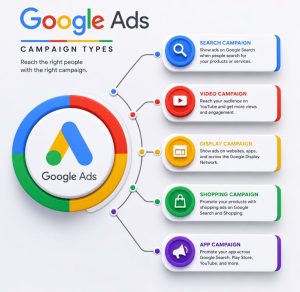
Google Ads is one of the most widely used advertising services for reaching people when they are actively searching for something.
For example, if someone searches for “best digital marketing agency” or “affordable running shoes,” businesses offering these products or services can display relevant advertisements in the search results.
One of the biggest advantages of Google Ads is search intent. People are already looking for a particular product, service, or solution, so an advertisement can appear at the right moment.
Businesses can also use different types of Google advertising campaigns, including search ads, display ads, shopping ads, video ads, and more.
With proper keyword research, audience targeting, and campaign optimisation, Google Ads can become a useful part of a company’s online marketing strategy.
2. Meta Ads
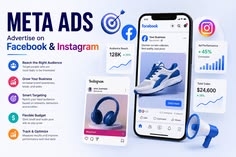
Meta Ads, which includes advertising across platforms such as Facebook and Instagram, is another popular option for targeted advertising.
Unlike search advertising, social media advertising can reach people based on their interests, activities, demographics, and interactions with content.
For example, a clothing brand can create different advertisements for people interested in fashion, online shopping, fitness, or specific product categories.
Instagram is particularly useful for visually attractive products and services. Businesses can use images, short videos, Stories, Reels, and other creative formats to catch users’ attention.
The real advantage comes from combining creative content with audience targeting. A well-designed advertisement shown to the right audience can generate awareness, website visits, leads, or sales.
3. LinkedIn Advertising
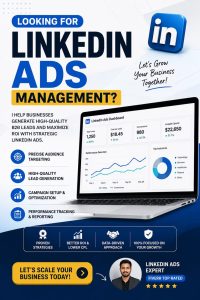
For businesses targeting professionals and other companies, LinkedIn advertising can be a valuable option.
LinkedIn allows advertisers to reach audiences using professional characteristics such as industry, job role, company size, skills, and other career-related information.
This makes it particularly useful for B2B companies, software businesses, consultants, recruitment services, training providers, and professional services.
For example, a software company selling business management software may want to reach marketing managers, business owners, or technology professionals rather than a general audience.
LinkedIn’s professional environment makes it possible to build campaigns around specific business audiences.
4. YouTube Advertising
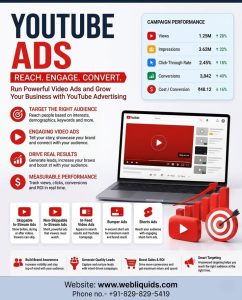
Video has become an important part of online advertising, and YouTube provides businesses with a large platform for reaching viewers.
YouTube advertisements can be useful when a business needs to explain a product, demonstrate how something works, tell a story, or build brand awareness.
A short video can often communicate information that would require several paragraphs of written content.
Businesses can create different types of video campaigns depending on their goals. They can also use audience and content-related targeting options to reach viewers who may be interested in their offerings.
The key is to keep the advertisement clear and engaging. The first few seconds matter because viewers may quickly lose interest if the message takes too long to get started.
5. Amazon Advertising
For e-commerce businesses, Amazon Advertising can help products become more visible to shoppers already browsing the marketplace.
Amazon provides advertising options that allow sellers and brands to promote products within the shopping environment.
This can be particularly useful because users on Amazon are often already considering a purchase. A relevant advertisement can help a product appear when shoppers search for related products or browse similar categories.
Businesses can promote individual products, increase product visibility, and support their overall sales strategy through Amazon’s advertising solutions.
6. TikTok Advertising
TikTok has become an important platform for businesses that want to connect with audiences through short-form video content.
Its advertising environment is particularly suited to brands that can communicate their message in a creative, entertaining, and authentic way.
Instead of making an advertisement that feels overly promotional, brands can create content that fits naturally into the platform.
For example, a food brand might create a quick recipe video, while a skincare company could create educational or product-demonstration content.
Successful TikTok advertising often depends on creativity. A simple but relatable video can sometimes attract more attention than a highly polished traditional advertisement.
7. Programmatic Advertising
Programmatic advertising uses technology and automated systems to purchase digital advertising space.
Instead of manually selecting every website or placement, advertisers can use automated platforms to target audiences across different digital properties.
Programmatic advertising can use information such as browsing behaviour, demographics, interests, location, and other audience signals to help deliver advertisements to relevant users.
It can be especially useful for larger campaigns where businesses want to reach audiences across multiple websites and digital channels.
However, good campaign setup and monitoring are still important. Automation can make advertising more efficient, but it does not replace a strong marketing strategy.
8. Retargeting Services
Sometimes people visit a website without making a purchase or filling out a form. Retargeting helps businesses reconnect with these visitors.
For example, imagine someone visits an online store and looks at a pair of shoes but leaves without buying them. A retargeting campaign may show that person a relevant advertisement later, depending on the platform, consent, and applicable privacy rules.
This approach can be useful because the audience has already shown some interest in the brand.
Retargeting can also be used for people who interacted with a business’s website, app, or previous marketing campaigns. The goal is not simply to advertise repeatedly, but to remind interested users about the brand or product at an appropriate stage of their journey.
9. Social Media Management and Ad Creative Services
Creating the advertisement is only one part of a successful campaign. The visual design, copy, headlines, videos, and overall message also matter.
Social media management and creative services can help businesses develop advertisements that match their brand identity and appeal to their intended audience.
A good creative should answer a basic question quickly: “Why should I care about this?”
Clear messaging, strong visuals, a useful offer, and a simple call to action can make an advertisement easier to understand.
Testing different versions of headlines, images, videos, and calls to action can also help businesses discover what their audience responds to.
10. Analytics and Conversion Tracking Services
Running advertisements without measuring the results is like driving without checking the dashboard.
Analytics and conversion tracking services help businesses understand what happens after someone interacts with an advertisement.
Businesses can monitor metrics such as clicks, impressions, leads, conversions, conversion rate, cost per result, and revenue where appropriate.
These insights help marketers identify which campaigns are performing well and which areas may need improvement.
For example, an advertisement might receive many clicks but very few conversions. That could indicate that the landing page, offer, targeting, or message needs to be reviewed.
The goal is not simply to collect numbers. The goal is to use those numbers to make better marketing decisions.
How to Choose the Right Advertising Service
There is no single advertising platform that works perfectly for every business.
The right choice depends on your target audience, marketing objective, budget, product, and customer journey.
If people actively search for your product or service, search advertising may be useful. If your product is highly visual, platforms such as Instagram or TikTok may be worth considering. For B2B marketing, LinkedIn can provide access to professional audiences.
Before spending money, businesses should clearly define who they want to reach and what action they want people to take.
It is also important to start with a realistic budget, test different approaches, and improve campaigns based on actual performance rather than assumptions.
Conclusion
Targeted online advertising gives businesses a practical way to reach people who are more likely to be interested in their products or services. From Google Ads and Meta Ads to LinkedIn, YouTube, TikTok, Amazon, programmatic advertising, and retargeting, businesses have many options available.
However, the platform itself is only one piece of the puzzle. Successful advertising depends on understanding the audience, creating relevant content, choosing the right targeting approach, and continuously analysing results.
Instead of trying to advertise everywhere, businesses can focus on the platforms where their potential customers actually spend time. With the right strategy and regular optimisation, targeted online advertising can help turn online attention into meaningful business results.
FAQs
1. What is targeted online advertising?
Targeted online advertising is a marketing approach where advertisements are shown to specific audiences based on factors such as interests, location, demographics, online behaviour, or interactions with a business.
2. Which platform is best for online advertising?
There is no universal best platform. The right platform depends on your audience, product, business goals, and budget. Google may be useful for search-driven demand, while social platforms can be useful for audience discovery and visual content.
3. Is Google Ads suitable for small businesses?
Yes. Small businesses can use Google Ads with controlled budgets and specific targeting. Starting with a focused campaign and relevant keywords can help avoid unnecessary spending.
4. Why are Meta Ads useful for businesses?
Meta Ads can help businesses reach audiences across Facebook and Instagram using different targeting and creative options. They can be used for goals such as brand awareness, website traffic, lead generation, and sales.
5. What is retargeting in digital advertising?
Retargeting is a strategy used to reach people who have previously interacted with a business, such as visiting its website or viewing certain content, subject to platform rules and applicable privacy requirements.
6. How much should a business spend on online advertising?
There is no fixed amount that works for every business. The budget should depend on the company’s goals, audience size, industry, customer value, and available resources. It is usually sensible to test campaigns and adjust spending based on measurable results.
7. How can I know whether an online advertisement is working?
You can evaluate performance using metrics such as clicks, conversions, cost per result, conversion rate, leads, and revenue where appropriate. Looking at several relevant metrics together gives a clearer picture than focusing on one number alone.
8. Can businesses advertise on multiple platforms at the same time?
Yes. A business can use multiple platforms when its audience is active across different channels. The important thing is to maintain a consistent message while adapting the creative format to each platform.